Beginner Garden Setup: 7 Essential Tools to Start Seeds Indoors This Spring

As an Amazon Associate, TerraHustle earns from qualifying purchases.

Starting a garden from seed is one of the most rewarding and cost-effective ways to grow vegetables, herbs, and flowers. Many gardeners start seeds indoors weeks before the last frost to give plants a healthy head start before transplanting them outside.

With just a few simple tools, beginners can successfully germinate seeds and grow strong seedlings ready for the garden.

Below are the essential tools and supplies every beginner should consider when starting seeds indoors.

1. Seed Starter Tray Kits

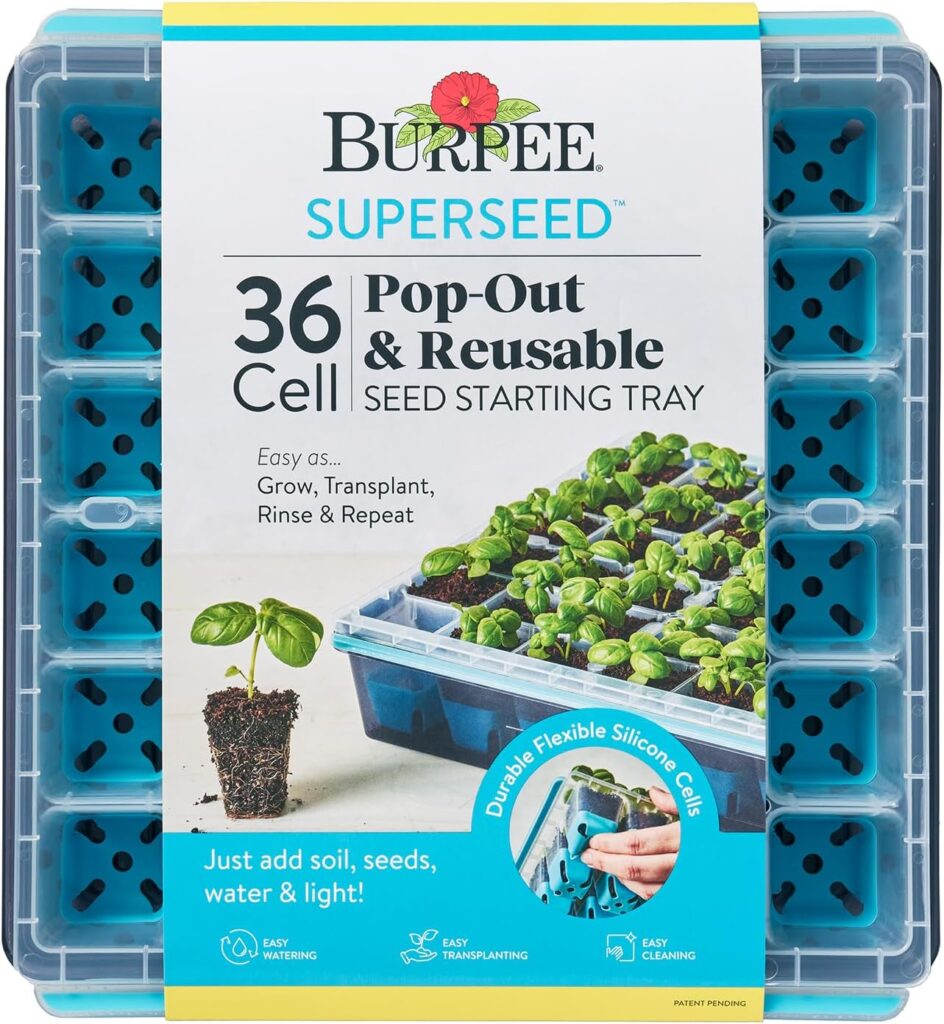
Burpee SuperSeed seed starting tray with 36 reusable planting cells for growing vegetable herb and flower seedlings indoors

Seed starter trays provide small compartments where seeds can germinate safely. These trays help organize seedlings and prevent overcrowding while roots develop.

Many starter kits also include humidity domes that maintain moisture levels, which improves germination rates.

Recommended features:

  • drainage holes

  • reusable trays

  • humidity dome

2. LED Grow Lights

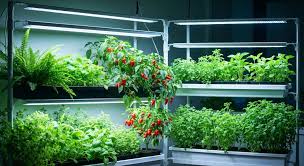
Indoor seedlings growing under LED grow lights on a multi level plant shelf used for starting vegetable and herb seeds indoors
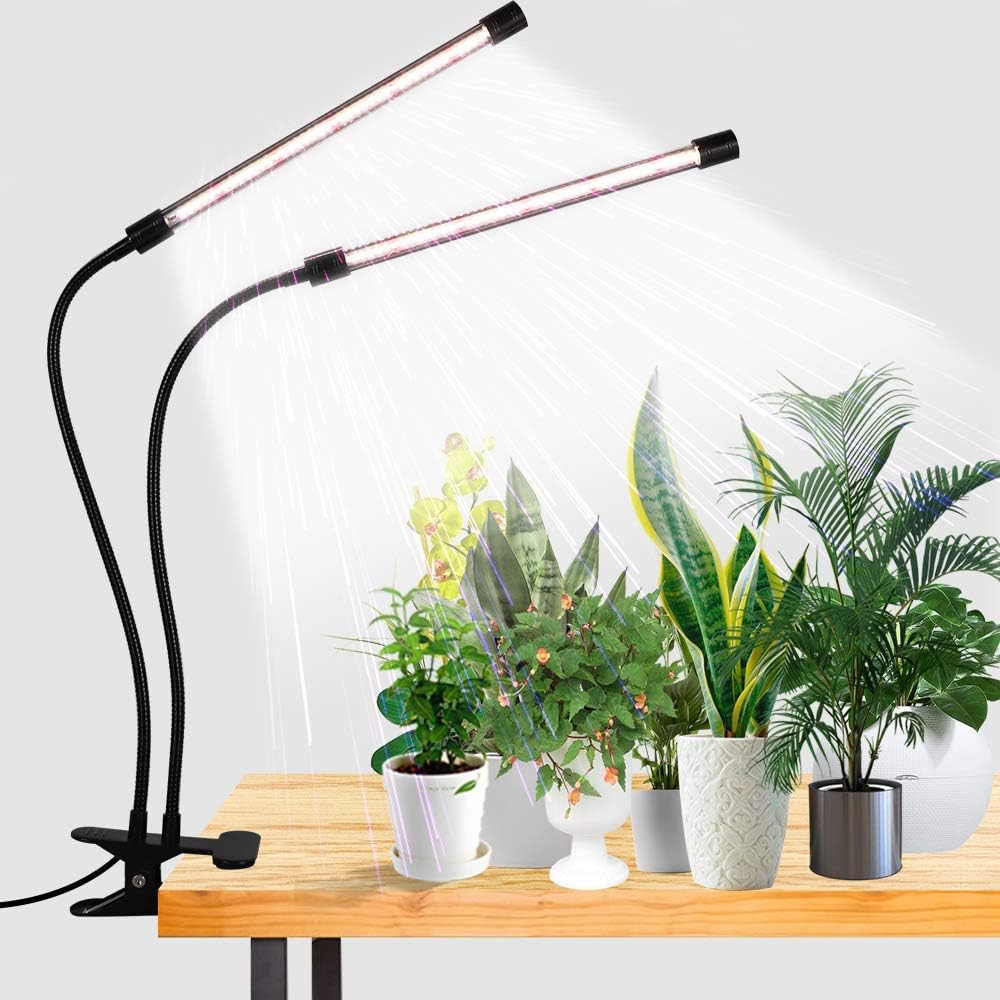
Adjustable LED grow light with full spectrum white and red LEDs used for indoor seed starting and growing small plants

Most homes do not provide enough natural light for seedlings.

LED grow lights simulate sunlight and help prevent seedlings from becoming tall and weak.

Good grow lights should provide:


  • full spectrum light

  • adjustable height

  • low heat output

3. Seed Heating Mats

Seedlings growing in starter trays placed on a seed heating mat used to warm soil and improve indoor seed germination

Seeds germinate faster when soil temperatures remain warm.

Heating mats placed beneath seed trays maintain ideal soil temperatures and significantly improve germination success.


These are especially helpful for plants like tomatoes, peppers, and herbs.

4. Organic Vegetable Seeds

Quality seeds make a major difference.

Choose reliable seed varieties that are known to germinate well and grow easily for beginners.

Popular beginner vegetables include:


  • tomatoes

  • lettuce

  • cucumbers

  • basil

  • peppers

5. Seed Starting Soil Mix

Regular garden soil is too dense for seedlings.

Seed starting mix is lighter and designed to allow delicate roots to grow easily.

Look for soil mixes that contain:


  • peat moss or coco coir

  • perlite

  • vermiculite

6. Plant Labels

When starting multiple seeds, labels prevent confusion.

Simple plant markers allow gardeners to track what they planted and when.


This becomes extremely helpful once seedlings begin growing.

7. Spray Water Bottle or Misting Bottle

Young seedlings are fragile.

A spray bottle provides gentle watering that prevents soil disturbance and protects delicate roots.


Consistent moisture is key for successful germination.

Step-by-Step Seed Starting Guide

  1. Fill seed trays with seed starting mix

  2. Plant seeds according to packet instructions

  3. Lightly mist the soil

  4. Cover with humidity dome if available

  5. Place under grow lights

  6. Maintain consistent moisture

  7. Transplant seedlings outdoors after frost risk passes

Common Beginner Mistakes

Overwatering
Seeds need moisture but not soggy soil.

Insufficient light
Seedlings stretch and weaken without enough light.


Planting too early
Timing matters based on your region’s last frost date.

Final Thoughts

Starting seeds indoors is an affordable and rewarding way to begin a garden. With the right tools and a little patience, even beginners can grow strong, healthy plants ready to thrive outdoors in spring.


By investing in a few simple supplies like seed trays, grow lights, and quality soil, gardeners can dramatically increase their chances of success.