
Last Updated: June 2026
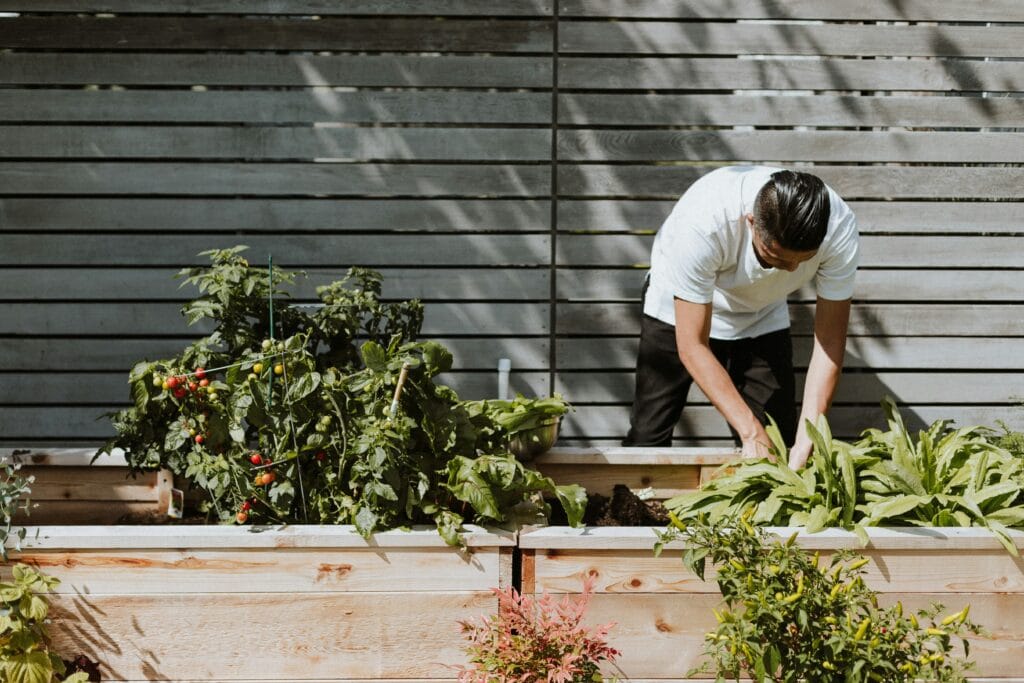 Raised bed gardening is one of the fastest-growing trends in home gardening — and for good reason. You get full control over your soil, better drainage, fewer weeds, and bigger harvests in less space. Whether you have a small backyard, a patio, or a large yard ready for a full setup, there’s a raised garden bed built for your situation.
In this guide, we break down the 5 best raised garden beds available on Amazon right now, what to look for before you buy, and how to get started even if you’ve never grown a single vegetable before.
I grow vegetables organically every summer — patio containers and backyard beds, everything straight to my family’s table. Raised beds are the core of that setup, and they’ve made the difference between a garden that produces and one that just survives. The control you get over soil quality and drainage is something you can’t replicate in the ground, especially when you’re growing organically and want to know exactly what’s in the root zone. If you’re considering raised beds for the first time, this guide is built from that kind of actual use — not just specs on a page.
“The control you get over soil quality in a raised bed is something you can’t replicate in the ground — especially when you’re growing organically and want to know exactly what your food is rooted in.”
| Product | Size | Material | Best For | Price |
|---|---|---|---|---|
| Land Guard Galvanized (8x4x2ft) | 8×4×2 ft | Galvanized Steel | Best Overall | See Current Price → |
| Best Choice Products Metal (6x3x2ft) | 6×3×2 ft | Powder-Coated Steel | Deep Root Vegetables | See Current Price → |
| Land Guard Galvanized (Large Kit) | 8×4×2 ft | Galvanized Steel | Large Gardens | See Current Price → |
| LEETOLLA Elevate 32″ Tall with Wheels | 32″ tall | Anti-Rust Steel | No-Bend Gardening | See Current Price → |
| Quictent Galvanized with Cover (6x3x2ft) | 6×3×2 ft | Galvanized Steel + Cover | Year-Round Growing | See Current Price → |
The Land Guard 8×4×2 ft galvanized raised garden bed is consistently one of the top-selling garden beds on Amazon — and it’s easy to see why. With 2 feet of growing depth, it gives vegetable roots plenty of room to spread, making it ideal for tomatoes, carrots, peppers, and more.
Key Features:
Pros:
Cons:
Best For: Beginners who want a large, durable, no-fuss garden bed that will last for years.
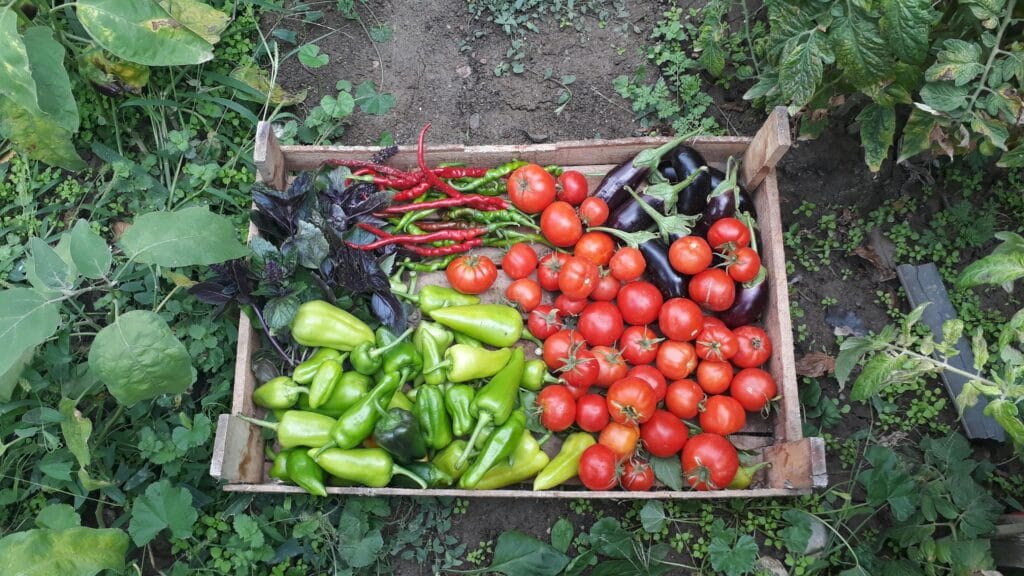 The Best Choice Products metal raised garden bed is a standout option for growers focused on deep-rooting crops like broccoli, beans, and root vegetables. With 269 gallons of soil capacity and 2 feet of depth, it gives your plants room to truly thrive.
The 2-foot depth is what makes this one stand out for organic growers specifically. When you’re not using synthetic fertilizers to push yield, you need roots that can actually reach nutrients. This bed gives them the room to do that.
Key Features:
Pros:
Cons:
Best For: Gardeners growing deep-rooting vegetables who want a safe, certified non-toxic bed.
 If you’re ready to go big from day one, this large Land Guard galvanized kit is the move. Designed for serious gardeners who want to maximize their growing space, this bed gives you a massive planting area in a weather-resistant, long-lasting package.
Key Features:
Pros:
Cons:
Best For: Gardeners who want maximum growing space and proven long-term durability.
The LEETOLLA Elevate is a game-changer for gardeners who struggle with bending or kneeling. At 32 inches tall, you can tend your garden while standing comfortably upright. The built-in wheels make it easy to move around your patio, balcony, or backyard.
For patio growers, the mobility angle here is genuinely useful. If your outdoor space gets uneven sun throughout the day — which is common on smaller patios — being able to reposition the bed to follow the light makes a real difference in what you can grow and how well it produces.
Key Features:
Pros:
Cons:
Best For: Seniors, apartment dwellers, patio gardeners, or anyone who wants to garden without bending down.
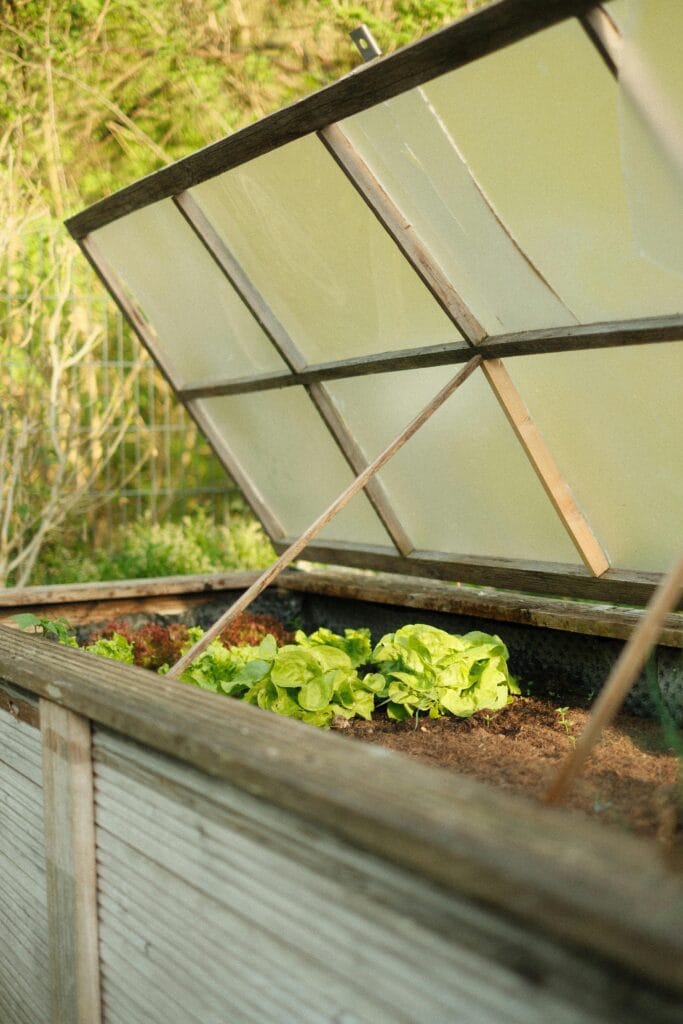 The Quictent raised garden bed takes things a step further with a built-in greenhouse cover. This clear cover extends your growing season by protecting plants from frost, pests, and harsh weather — making it the best option for gardeners who want to grow year-round.
Key Features:
Pros:
Cons:
Best For: Gardeners in colder climates or anyone who wants to grow vegetables earlier in spring and later into fall.
For beginners, a 4×4 ft or 4×8 ft bed is the sweet spot. It gives you enough space to grow a meaningful amount of vegetables without being overwhelming. The standard rule is to never make your bed wider than 4 feet so you can reach the center from either side without stepping in and compacting the soil.
Metal beds (galvanized steel or powder-coated steel) are more durable, last longer, and don’t rot. They’re the go-to choice for most modern gardeners. Wood beds have a classic look and are biodegradable, but cedar is the only wood that naturally resists rot — and it costs more. For most beginners, metal is the better long-term investment.
Most vegetables need at least 12 inches of soil depth to thrive. Root vegetables like carrots and parsnips need 18–24 inches. If you’re growing herbs or lettuce, 8–10 inches is fine. The beds in this guide offer 12–24 inches of depth, covering the full range of what most beginners will grow.
Never fill a raised bed with plain garden soil — it compacts too easily. The classic raised bed mix is one-third compost, one-third peat moss or coconut coir, and one-third coarse vermiculite (known as Mel’s Mix). This creates a light, nutrient-rich growing medium that drains well and supports strong root development.
For organic growers, adding worm castings and aged compost to this base mix makes a meaningful difference in yield without any synthetic inputs. The soil is where organic gardening either works or doesn’t — get it right and everything else follows.
Most vegetables need 6–8 hours of direct sunlight per day. Place your raised bed in the sunniest spot available. Avoid areas with heavy competition from tree roots, and make sure you have easy access to a nearby water source.
Yes. Modern galvanized garden beds use a zinc coating that does not leach harmful chemicals into soil at levels that affect plant or human health. Several studies and gardening organizations have confirmed that galvanized steel is safe for food production. Look for beds that specify non-toxic materials and FHSA compliance for extra peace of mind.
High-quality galvanized steel raised beds typically last 10–20 years with minimal maintenance. Powder-coated steel beds have a similar lifespan. Compare this to untreated wood, which can begin to rot within 3–5 years.
Most raised garden beds don’t have a bottom — and that’s by design. An open bottom allows roots to grow deep into the native soil and lets excess water drain naturally. If you’re placing a raised bed on concrete or a deck, you’ll need a bed with a bottom or add a liner.
The easiest crops for beginners include lettuce, spinach, radishes, green beans, zucchini, tomatoes, cucumbers, herbs like basil and parsley, and strawberries. Start with 2–3 crops in your first season and expand as you gain confidence.
Filling a 4×4×1 ft raised bed requires roughly 16 cubic feet of soil mix. A good-quality bagged raised-bed mix costs around $8–$12 per 1.5-cubic-foot bag, so expect to spend $85–$130 on soil for a standard beginner bed. Buying in bulk from a local garden center can significantly cut costs.
Yes — galvanized and powder-coated steel beds handle winter weather without issue. Cover the soil with a 2–3 inch layer of mulch to protect beneficial soil organisms during cold months. In spring, simply add fresh compost, and you’re ready to plant again.
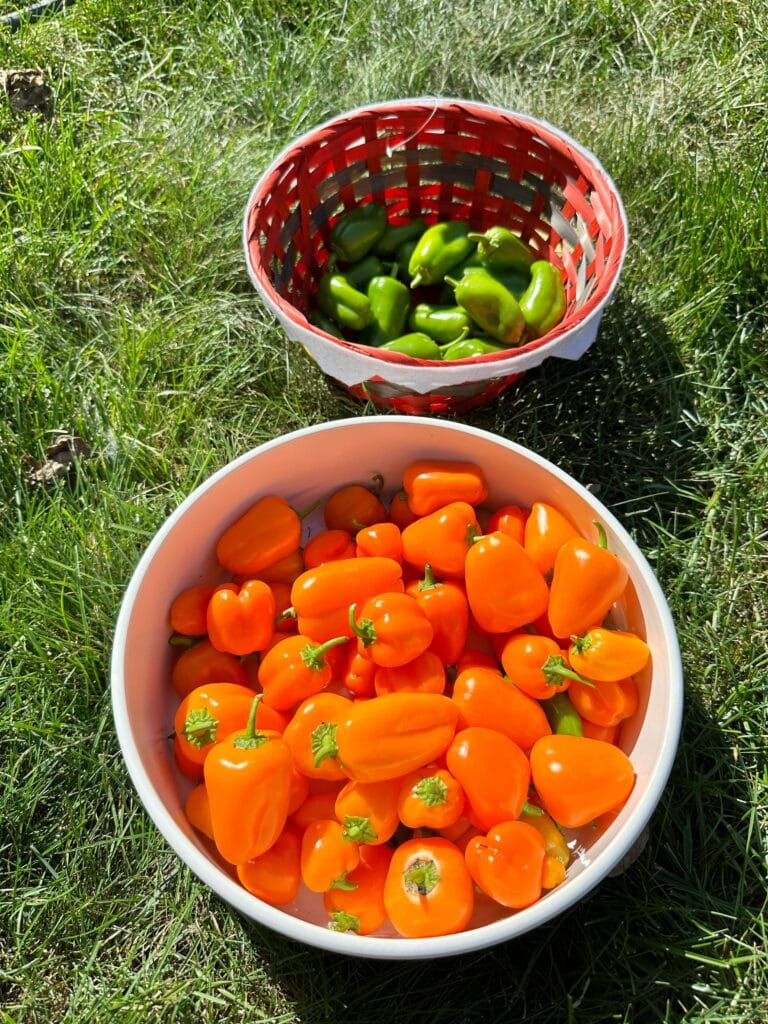 For most beginners, the Land Guard Galvanized Raised Garden Bed (8×4×2 ft) is the best starting point. It’s large enough to grow a real vegetable garden, built to last, easy to assemble, and priced fairly for what you get.
If you’re short on space or need mobility, the LEETOLLA Elevate is the standout choice for patio and balcony gardeners. And if you want to extend your growing season from the very first year, the Quictent with Cover is worth the investment.
What We’d Actually Buy: For a patio setup growing organically, the LEETOLLA Elevate for mobility and the Best Choice Products deep bed for anything requiring serious root depth — tomatoes, peppers, anything that needs to push down. Those two together cover the full range of what a home grower putting food on the table actually needs. The non-toxic certification on the Best Choice bed is the deciding factor when food is going straight to your family.
“Your first harvest from a raised bed will make the whole setup worth it — especially the first time you walk out with a bowl of tomatoes you grew yourself and put them on the table that same night.”
Whichever you choose, raised bed gardening is one of the most rewarding upgrades you can make to your outdoor space.
Shop the Land Guard Raised Bed on Amazon →
🌱 Not sure how much soil you need to fill your raised bed? Use our free Raised Bed Soil Calculator → — enter your dimensions and get exact bag counts instantly.